Biff Baker U.S.A.Alan Hale Jr.Cold War TVSpy Adventures
Before Gilligan's Island, Alan Hale Jr. Was a Spy in Biff Baker U.S.A.
Alan Hale Jr. played a globe-trotting importer who kept tripping over spies - a year before he became TV's favorite castaway, and then the show disappeared.
Source material: slashfilm.com
The Skipper's First Command
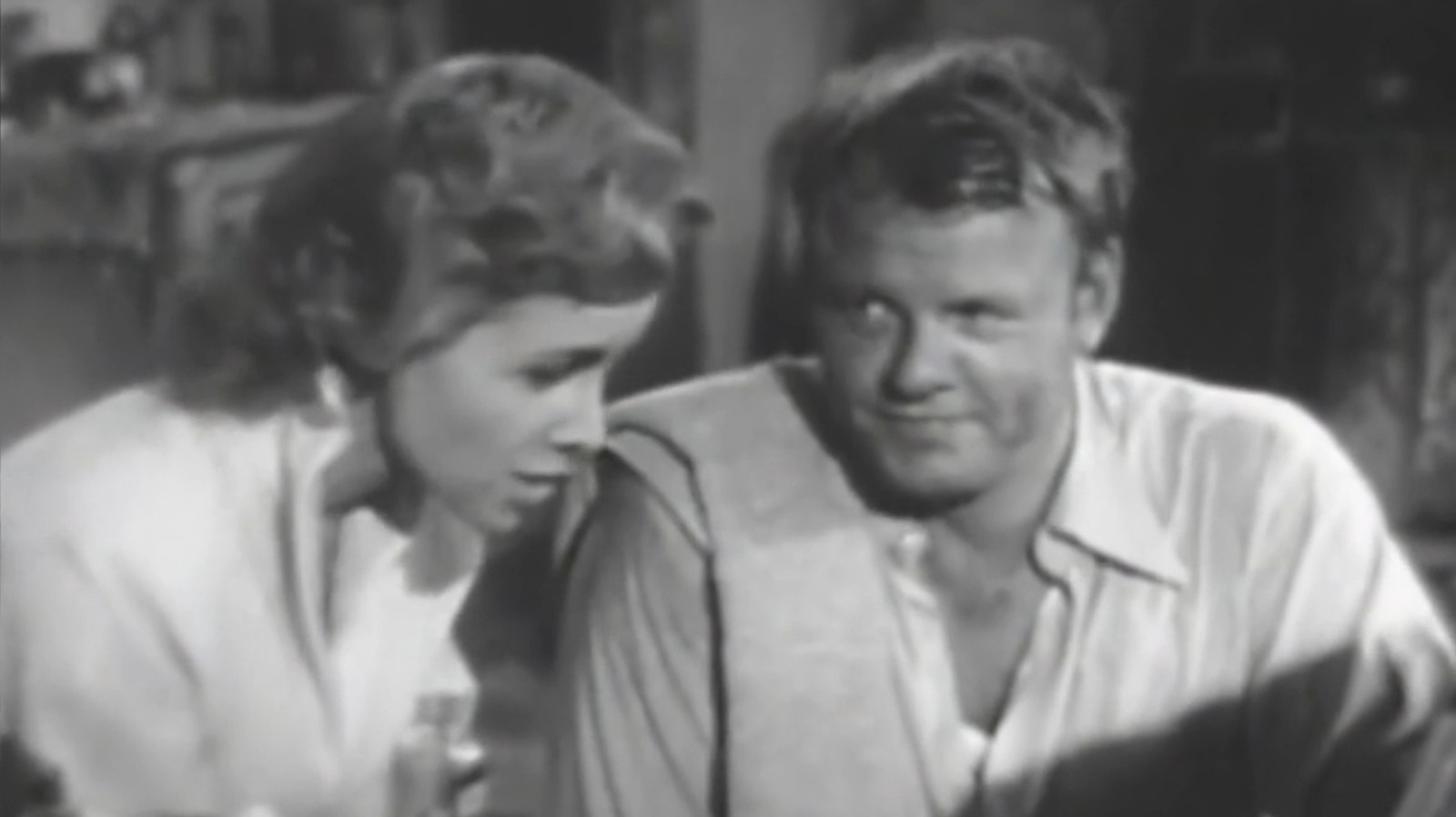
Alan Hale Jr. is forever the Skipper from Gilligan's Island, but he earned that role only after a decade of TV work that started with a different kind of voyage. In 1952, he took the title role in Biff Baker, U.S.A., a 30-minute CBS adventure series that ran just one season of 21 episodes, six of which never aired. Hale, who had served in the Coast Guard during World War II and returned to acting with a role on The Gene Autrey Show in 1950, played Biff Baker, an importer who traveled the world with his wife Louise. His famous father, Alan Hale Sr., likely opened doors - the younger Hale was a dead ringer for him, down to the hearty laugh - but the sheer volume of his later credits suggests genuine reliability. Still, Biff Baker was his first regular TV gig, and its quick cancellation might have ended many careers. Hale went on to find his island, but the show that launched his small-screen stardom remains a footnote.
Importers Who Kept Finding Spies
Biff Baker, U.S.A. cast Alan Hale Jr. as an importer whose travels always dragged his wife Louise (Randy Stuart, of The Incredible Shrinking Man) into espionage. In the first episode they slipped behind the Iron Curtain into Czechoslovakia on an actual intelligence mission; the second found them in Marseilles sheltering a runaway boy tied to black marketeers; episode three had them facing villainous plastic surgeons. Other installments forced them to smuggle famous paintings, and one had them hoodwink a Chinese spy to help a farmer in Vietnam. The show leaned on post-war tensions, making commie agents stock villains, and the title's 'U.S.A.' was no accident. Stuart held her own as a sharp, plausible partner, and though the writing was simple, the globe-trotting format gave both leads room to charm.
Juvenile Dialogue, Hearty Laughs
When Biff Baker U.S.A. premiered in 1952, critics were not kind. Billboard's Leon Morse wrote that the dialogue was "juvenile" but praised Hale and Stuart as appealing leads. He noted that the plot - a couple trying to smuggle secret information out of Czechoslovakia - lacked suspense, and the commie agents were "more than usually stereotyped." Still, he saw the appeal: Hale, Morse wrote, was "a dead ringer for his famous dad, down to the hearty laugh, the warm smile and the exact tone of voice." The Pittsburgh Press's Hal Humphrey was less charitable, calling the direction and acting "sophomoric and rough." He also seemed puzzled that Biff was an importer but never shown doing any actual importing - the spy shenanigans always took over. These reviews, while negative, are among the few surviving records of a show that mostly vanished from archives. They also underscore why it lasted only one season: for every viewer who enjoyed the pulpy charm, there was a critic waiting to cut it down.
A Fragmented Afterlife
Only 10 of the 21 produced episodes are currently available on the Roku Channel, while Tubi offers the same 10 plus an 11th titled 'Blue Mosque.' Old, low-rent DVDs circulated with just eight episodes combined, and some YouTube uploads appear in colorized versions despite the original black-and-white photography. Unlike I Love Lucy or Perry Mason, which have been endlessly remastered, Biff Baker wasn't well-received or long-lived enough to get that treatment. Six episodes never aired, and no official home release goes beyond those partial DVDs. For fans of mid-century adventure, that means hunting through streaming catalogs and second-hand bins; the 'Blue Mosque' on Tubi is a small consolation for a show with so much missing.
A 2020s Reboot Waiting to Happen
An ordinary importer and his wife who keep stumbling into international intrigue while trying to run a business is a setup that could anchor a steelier period piece in the 2020s. The show's 1950s optimism, where American civilians 'took out the trash' of spies and saboteurs, is dated but historically interesting. The early Cold War settings—Czechoslovakia, Marseille, Vietnam—offer a canvas for a more sophisticated take on post-war paranoia. Randy Stuart and Alan Hale Jr. had natural chemistry, as critics acknowledged. A reboot could lean into the pulp, dial up the suspense, and correct the 'juvenile' dialogue that sank the original. The show's disappearance from archives makes it a blank slate with no canonical baggage, just a strong hook. Paramount+ or another streamer could easily revive it as a limited series. In the meantime, the 11 surviving episodes remain a fascinating time capsule for anyone curious about how TV treated the Cold War before James Bond existed.