Marvel StudiosDisney+Streaming WarsWonder Man
Wonder Man's Cancellation Wasn't About Wonder Man — It Was About Marvel Leaving Television
The Hollywood-set series, starring Yahya Abdul-Mateen II as an actor with inconvenient superpowers, was the last project through the door of Marvel's streaming spending spree; the cancellation of its second season confirms the spree is over.
Source material: slashfilm.com
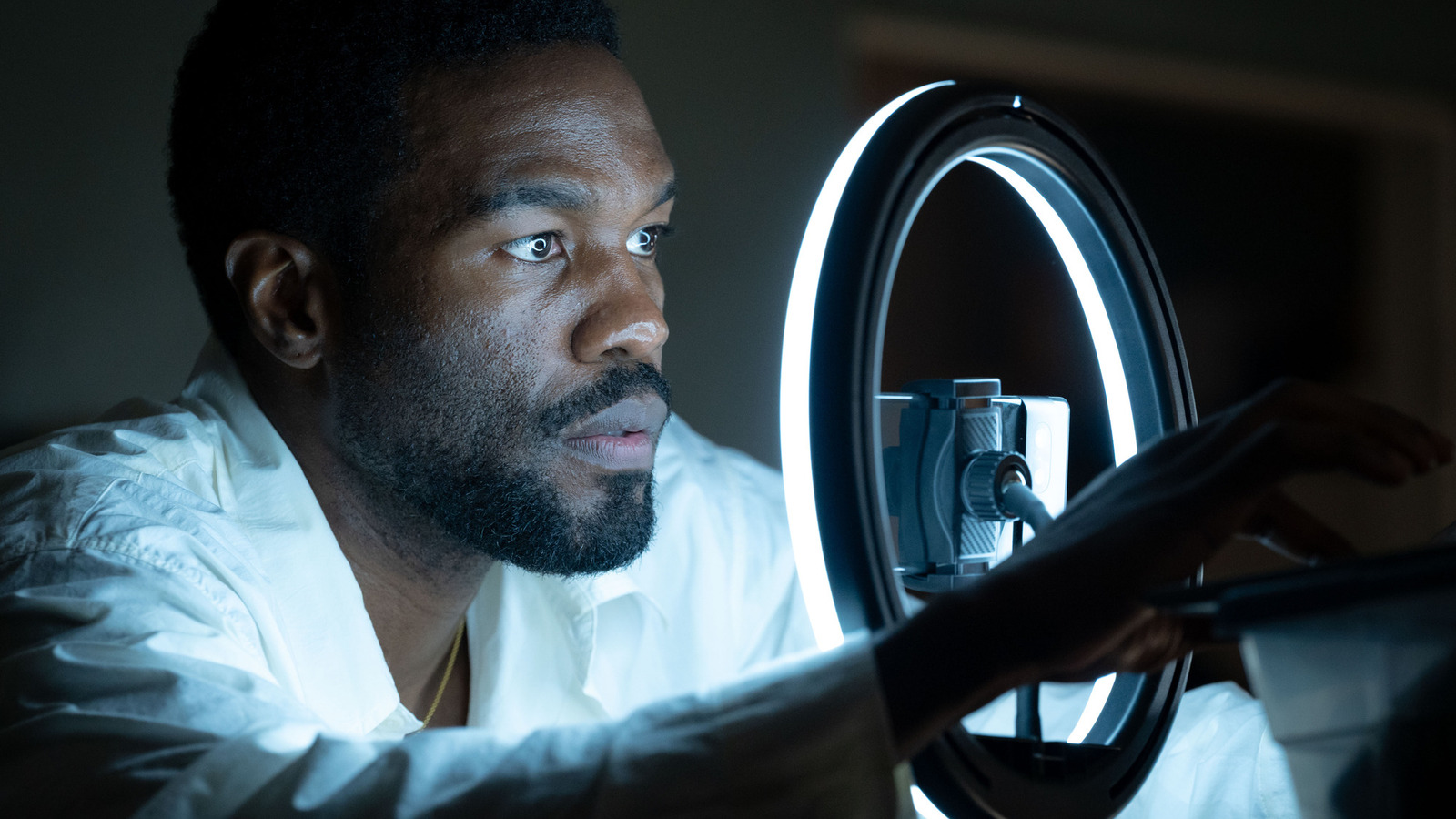
An Actor With Inconvenient Powers
Simon Williams had the worst kind of problem for a working actor: every time he tried to land a role, his superpowers showed up and wrecked the take. That was the premise of "Wonder Man," the Marvel series starring Yahya Abdul-Mateen II as a struggling Hollywood performer with inconvenient abilities. The show was Marvel's most self-aware production, a sly peek behind the curtain at the business that manufactures the spectacle audiences have spent fifteen years consuming. It has now become a cautionary tale about that same business. Season 2, confirmed only a few months earlier, has been canceled. The circumstances of the cancellation say less about the show itself than about the moment Marvel finds itself in: a project built to satirize the superhero machine has been consumed by the machine's own retrenchment. The show's central joke was that acting and superpowers don't mix. The studio's new strategy accepts that same premise — which is why the show had to go.
The Last Project Through the Door
Andrew Guest, the co-creator and showrunner, described "Wonder Man" as "one of the last projects in the door of the previous iteration of the Marvel Disney+ experiment, where they were saying yes to many things." That iteration belonged to the streaming wars, when Disney+ was spending freely on original content to compete with Netflix and HBO Max. The model was wartime spending: build a library fast, worry about the bill later. In that context, "Wonder Man" was a product of its environment — a green-lit project in a period when the answer to almost any pitch was yes. The bill has now arrived, and Marvel is the department that has to account for it. The show walked in during the yes-era and now exits during the no-era, the period of consolidation that follows any spending spree once the competition stops being urgent.
Diluted Focus, Diminished Returns
Marvel Studios president Kevin Feige flagged the problem in early 2023, saying the pace of releases would change because "it is harder to hit the zeitgeist when there's so much product out there." Disney CEO Bob Iger, recently returned to the company, was blunter about the cause. "Not only did they increase their movie output, but they ended up making a number of television series, and frankly, it diluted focus and attention. That is, I think, more of the cause than anything." Iger's comments came in the wake of "Secret Invasion" being panned by critics and fans alike. Early streaming experiments like "WandaVision," "Loki," and "Moon Knight" earned favorable reviews and generated real discussion; later installments such as "Echo" and "Ironheart" barely registered with audiences. The pattern was unmistakable: the more Marvel produced, the less each release meant.
183 Million Reasons to Cut Back
Disney+ and Hulu combined held 183 million subscribers as of June 2025. The territory has been carved out; the subscriber battle is effectively settled. That changes the economics of original content entirely. When the platform was competing for new customers, expensive series were investments in growth, justified by the long-term revenue they might capture. Now they are pure expenses against a stable base. Industry insider Jeff Sneider reported that the cancellation is part of a larger strategy to effectively exit the live-action TV business, though not entirely. The shift reads less as a verdict on any single show and more as a settlement with the previous era's ambitions. The same logic that once produced a slate of interconnected series now asks what those series actually cost.
When the Shows Cost the Movies
The movies that leaned hardest on television continuity paid the price. "The Marvels" and "Captain America: Brave New World," both of which followed directly from storytelling established in streaming shows, disappointed at the box office. If audiences are required to track a dozen series to understand a film's plot, the film carries the burden of that homework. The theory behind the studio's current direction is straightforward: fewer shows means less required viewing, and less required viewing means more audiences willing to show up for the big-screen releases without catching up on a season of television first. Whether that theory holds is a question the next several Marvel releases will answer. The studio appears committed to testing it, which means the calculus of what gets made has shifted decisively. Television was once where Marvel deepened its storytelling. Now it is the cost center.
Trevor Slattery Persists
Somehow, though, Trevor Slattery (Ben Kingsley) will return. He always does. The character's persistence is a reminder that the pullback from live-action television is selective rather than absolute. As Marvel tightens its slate, the figures who keep working continue to find their way back to the screen. Slattery's resurrection, whatever form it takes, will arrive in a moment when the studio is more careful than it once was about where its stories go. The era of saying yes to many things is over. What survives it is the character who has always found a way back — proof that even in a consolidation, some things refuse to consolidate.