AdoJ-PopVocaloidMusic Festivals
Ado Steps Out of the Silhouette for Lollapalooza
Japan's most-streamed artist keeps her face hidden but her voice unmistakable as she brings her utaite roots and a new biographical novel to the festival stage.
Source material: consequence.net
The Voice Behind the Shadow
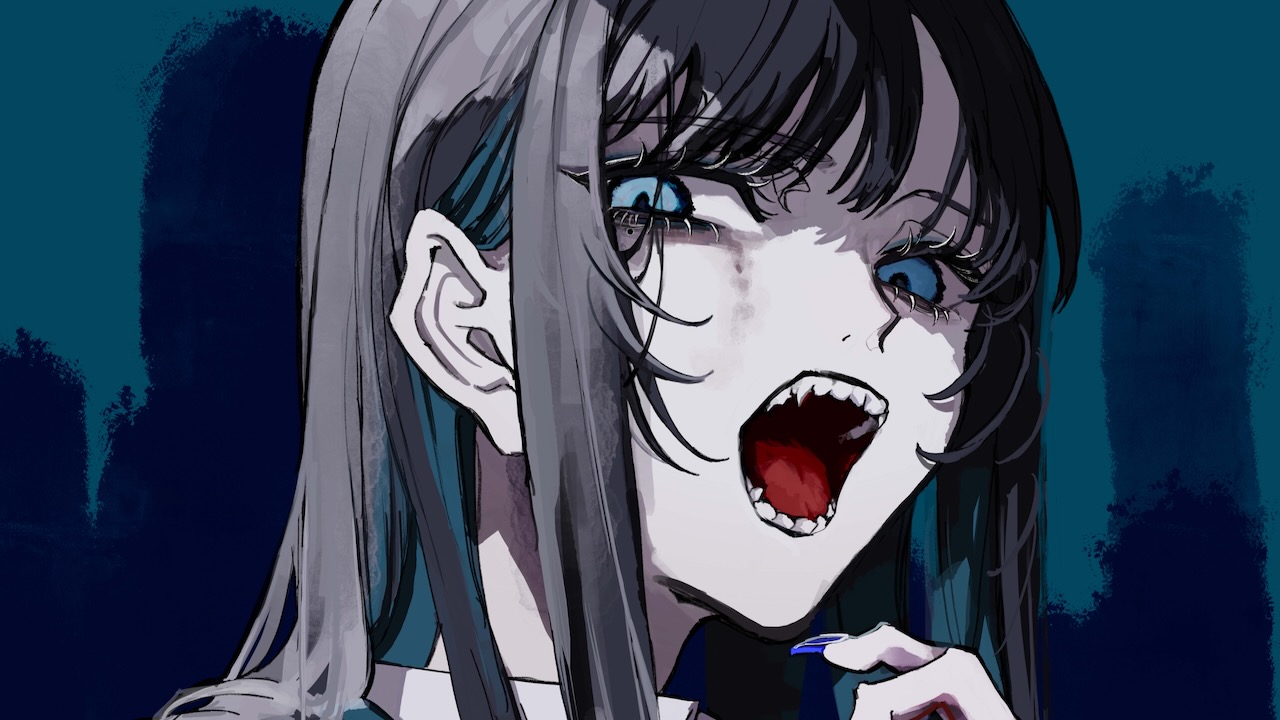
On Sunday, the stage at Lollapalooza will hold a figure that millions recognize without ever having seen clearly. Ado, the 23-year-old singer that Spotify named the No. 1 most-streamed Japanese artist earlier this year, performs inside a cage-like structure, her silhouette the only visual the audience gets. The setup carries over from her Ado World Tour 2025 "Hibana," which sold out arenas in Los Angeles and Newark en route to drawing over 500,000 fans across 35 dates on five continents.
The anonymity is not a gimmick but a direct inheritance from the utaite subculture she emerged from. Utaite—amateur singers who cover anime, vocaloid, and video-sharing platform songs—often use avatars instead of faces. Ado began at fourteen in her Tokyo childhood bedroom, adapting her voice to the notoriously punishing demands of vocaloid tracks. The technical range she developed there—from a whispered lilt to a screaming belt within seconds—has become her signature, even as the mainstream industry has come calling.
From Vocaloid Covers to Global Number One
Ado's path to Lollapalooza began with "Usseewa," a 2020 single from Kyōgen, her major-label debut album. The song's raw defiance made it a viral phenomenon, but her roots run deeper into the utaite tradition of adapting technically brutal material. Vocaloid songs, built on voice-synthesizer software, often feature fast-paced rock instrumentation and emotional intensity that demand extraordinary control; Ado spent her teenage years mastering exactly that repertoire.
The work paid off in ways that extend beyond raw numbers. Her current output mixes standalone singles, merchandise collaborations, and a steady stream of projects. The Nintendo Switch served as her childhood gateway to music, and a recent single, "Love me forever!"—a collaboration with veteran producer Tsunku—appears on the Rhythm Heaven: Miracle Stars soundtrack for that console. Her Lollapalooza debut weekend also includes an official aftershow on Friday and a special pop-up with Ado x Pusheen merchandise at Rotofugi, a few miles from the festival grounds.
Vivarium: Opening the Drawer of the Past
The most revealing project of Ado's career arrived this year as a pair: "Vivarium," a biographical novel written by Narumi Komatsu, and the companion single of the same name. For the first time, she appears in both still photographs and a music video. The artwork shows her face; the lyrics reach deeper into her interior life than anything she has released before.
The writing process itself was unprecedented for the singer. "I was a fan of her work," Ado told CONSEQUENCE through an interpreter, describing how her management suggested Komatsu and she immediately agreed. Their long conversations covered everything from her birth to the present day, with Komatsu repeatedly asking pointed questions: "Did that make you sad as a child?" and "Were you angry at that moment?" The experience, Ado said, was "like opening a drawer from the past and realizing that I actually had these emotions"—a rare excavation for someone who admits she is not the type to reveal feelings to others.
The Songwriter Problem
Ado draws a firm line between what she does and what a singer-songwriter does. "I'm not a singer-songwriter per se," she explained. "I'm more of a singer." The distinction mattered intensely while composing "Vivarium," which had to embody a full novel's emotional arc inside a single melody. "There's only a limited amount of melody," she noted, describing the compression as the project's main struggle.
Her process involves maintaining a private "stock" of poems and fragments—not all autobiographical, but drawn from thoughts and conversations she has observed. These become the raw material for lyrics, with production and songwriting left to collaborators while she retains creative direction. The past-and-future self that appears in her earlier writing evolved in "Vivarium" into something more immediate, focused on the struggles she has actually lived through at twenty-three. The song, she said, incorporates two versions of herself: the past self and the present one.
Festival Circuit Ambitions
The Lollapalooza stage is one part of a broader push into festival culture. Before heading to Chicago, Ado prepared to headline Zipangu, a new Pasadena, California festival dedicated entirely to Japanese musicians across rock, hip-hop, and pop; the event is now available on Amazon Prime. The festival setting offers something her arena tours cannot: direct proximity to other artists. "Going on my world tour meant that I met so many different people and different territories all over the world," she said, explaining why she wanted to participate in Zipangu's all-Japanese lineup. The collaboration she craves extends beyond shared stages, and the tension between her desire for connection and her instinct for privacy may be exactly what keeps audiences leaning in.