Prince HarryFreedom of Information ActHeritage FoundationUS Immigration
Prince Harry's Spare Admissions Spark a FOIA Battle Over His Visa Records
The State Department withheld documents in a case that hinges on what Harry wrote about cocaine and cannabis.
Source material: radaronline.com
Why are 18 documents about Prince Harry being withheld?
The State Department identified 18 responsive records in its first interim production on July 30, 2026, and withheld every one in its entirety, with no partial releases or redacted versions. The department has not offered a public explanation for the blanket suppression. The records were found during a months-long review of government computer systems that has so far yielded 307 responsive documents, but this first batch of 18 is the only one identified and produced so far—and all of it was sealed. The joint status report filed in US District Court confirms that the case stems from a Freedom of Information Act request for records regarding Henry Charles Albert David, known as the Duke of Sussex. With no partial redactions, the public cannot even see whether a document was a passport application, a security file, or a diplomatic cable. The withholding does not establish that Harry did anything wrong, and legitimate legal and privacy reasons may exist, but the mystery remains because the public knows these records exist without knowing what they contain. That naturally creates more questions for those who have spent years pursuing disclosure. A reader with a FOIA interest can only track the court docket, as no further productions have been announced and no court order has forced a release.
Who is the Heritage Foundation and why are they involved?
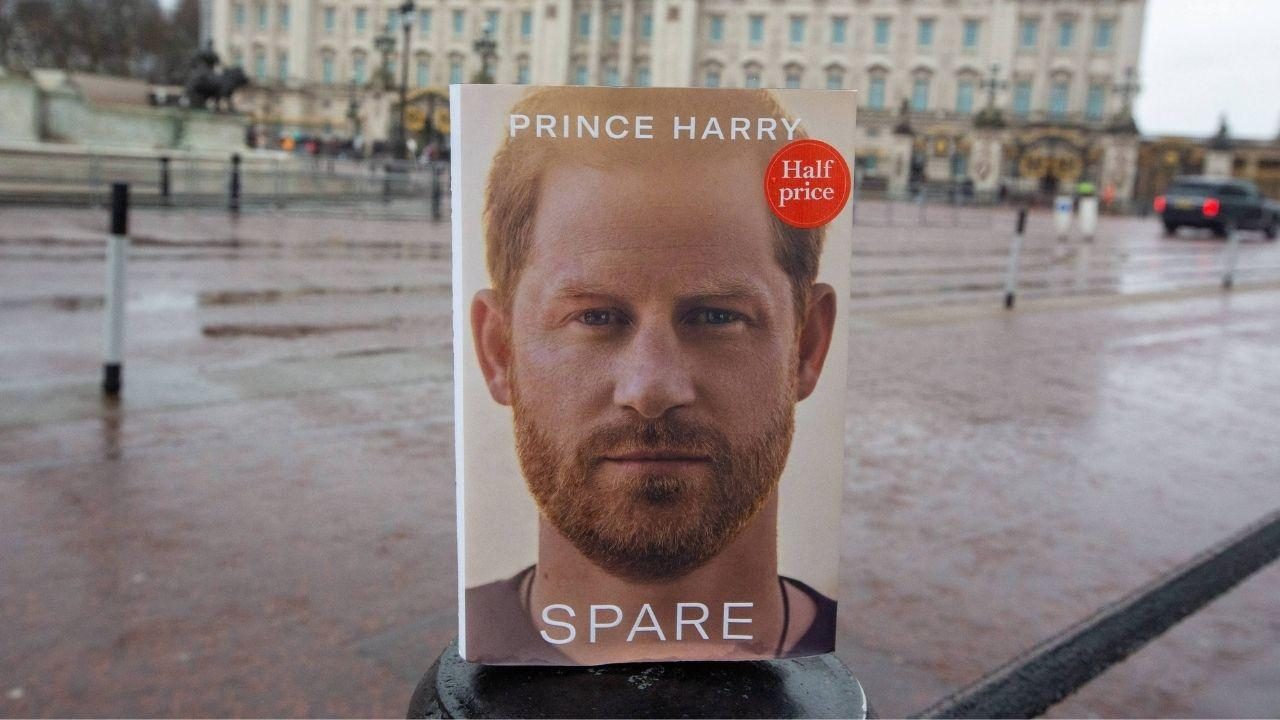
The Heritage Foundation, a conservative think tank, is the driving force behind the legal efforts to obtain Prince Harry's U.S. records. It first sued the Department of Homeland Security to force disclosure of Harry's visa records, arguing that the public had an interest in knowing whether he accurately disclosed his past drug use when applying to enter the country. That case failed when a federal judge ruled Harry's privacy interests outweighed the public interest. The foundation's persistence is rooted in its claim that government transparency is at stake. It has pointed to Harry's own memoir, Spare, where he admitted to using cocaine at age 17 during a hunting weekend, smoking cannabis while at Eton and later at Nottingham Cottage in 2015, and consuming magic mushrooms at a party hosted by Courteney Cox in January 2016. Harry wrote that his primary objective was to feel different and escape reality, and that marijuana 'really did help me.' These disclosures, the foundation argues, raise questions about whether Harry's visa application truthfully addressed his drug use. The State Department has withheld all 18 responsive records it has identified so far, and the foundation has not publicly commented on that decision. Its attorneys continue to press for disclosure, arguing that the public has a right to know what information the government holds concerning the duke.
What did Prince Harry admit about drug use in Spare?
In his memoir "Spare," Prince Harry admitted to using cocaine, cannabis, and psychedelic magic mushrooms as coping mechanisms for personal trauma, panic attacks, and the pressures of royal life. He described being offered a line of cocaine at age 17 during a hunting weekend, stating that it "did make me feel different" even though it "wasn't very fun." He also smoked marijuana during his time at Eton and later while living at Nottingham Cottage in 2015, noting that marijuana "really did help me" compared to other substances. At a party hosted by actress Courteney Cox in California in January 2016, he consumed magic mushrooms washed down with tequila, which led to hallucinations he described in vivid detail — including a dustbin that turned into a head that spoke to him and a toilet bowl that opened its mouth. These admissions prompted immediate questions about whether he accurately disclosed his drug history on his U.S. visa application. The Heritage Foundation cited these passages in its legal challenges, arguing that the public interest in knowing whether Harry told the truth outweighs his privacy.
What did a judge rule in the earlier visa case?
Judge Carl Nichols's decision in the earlier visa case came after the Heritage Foundation argued that the public needed to know whether Prince Harry accurately disclosed his past drug use when applying to enter the United States. The foundation pointed to Harry's memoir Spare, in which he admitted to using cocaine, cannabis, and magic mushrooms, including details such as being offered cocaine at age 17 and taking magic mushrooms at a party in California in 2016. Judge Nichols, however, determined that Harry's privacy interests outweighed the asserted public interest, effectively sealing the visa records. The ruling means that the specifics of Harry's visa application, including any disclosures about drug use, remain hidden from public view. The court has consistently recognized that privacy protections apply to immigration records, and this decision underscores that stance. Sources close to Harry have maintained that he was truthful in his visa application, but without any release of the records, the public cannot verify that. The Heritage Foundation's attempt to force disclosure was rejected, and the visa records are considered unlikely to be released in full.
How many total records are under review?
Newsweek reported that State Department officials have been processing material obtained through searches of government computer systems for months. The department is reviewing 307 documents totaling 2,487 pages, and it has indicated that none is currently expected to be publicly released. The sheer volume suggests that the State Department holds a significant amount of information about the Duke of Sussex, though the public may never see any of it. The department has not provided a timeline for completing the review, and the court has not ordered any releases. The case remains active. The joint status report describes the FOIA request as seeking records regarding 'Henry Charles Albert David, also known as "the Duke of Sussex" or "Prince Harry."' So far, the department has made one interim production, but every record identified in that production was withheld in its entirety.
Why the secrecy angers campaigners
The blanket withholding of all 18 responsive documents identified so far means that, out of 307 records totaling 2,487 pages, not a single page has been released. Every one of the 18 is withheld in its entirety, with no redactions or partial disclosures. For the public, this creates a black box: the existence of these files is confirmed, but their contents remain hidden. Campaigners who have spent years trying to establish what information the US government holds about Prince Harry are inevitably frustrated by this outcome. They argue that the secrecy breeds suspicion, even though the withholding does not itself indicate wrongdoing. The lack of any public explanation only deepens the mystery. Unless a court eventually determines that further information should be released, the position may remain unchanged. That uncertainty, rather than any determination of error, is what fuels the ongoing anger and the perception that something is being hidden.